They heard the whistle blow, 30 years in advance


Sometimes it takes a long, long time for transit to appear.
Addison Circle in Addison, Texas, was an early CNU Charter Award winner for RTKL Associates in 2002. It was the brainchild of Robert Shaw, a former offensive tackle for the Dallas Cowboys, who was the developer of the then Columbus Realty Trust.
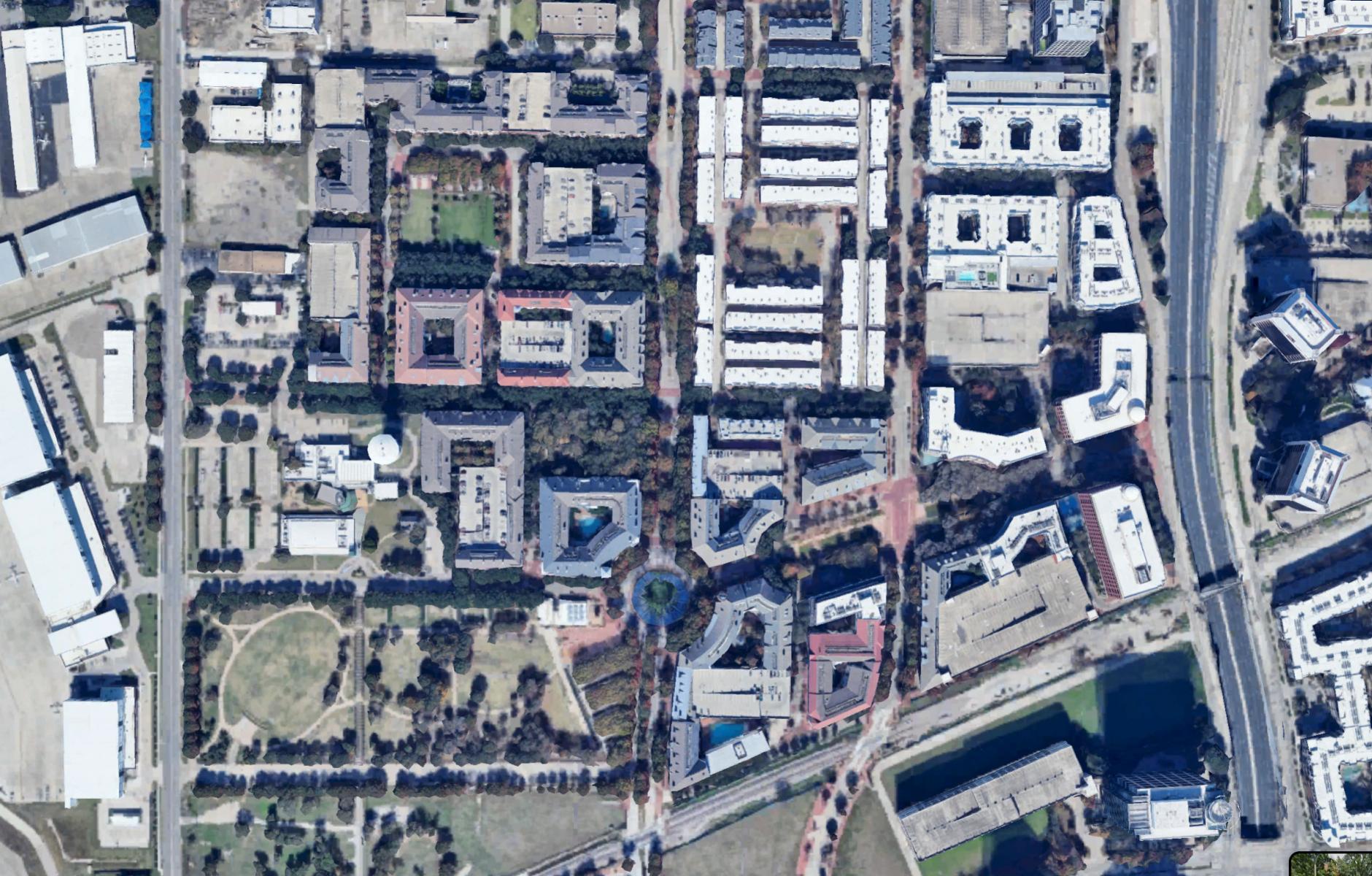
The 80-acre plan was for 3,000 units and 4 million square feet of commercial space. I saw the plan in 1996, when it was just beginning construction, in Urban Land magazine, in a university library. That’s where you found out about these things before the Internet. I remember not being able to grasp the scale of the plan because the buildings were so large.
The developers were seriously attempting mixed use and walkability—but in a totally different way from the “new town” or “traditional neighborhood development” kind, like Seaside and Kentlands. Addison Circle had the density of a city downtown, and it was designed to be connected to transit—but transit was only a dream at the time.
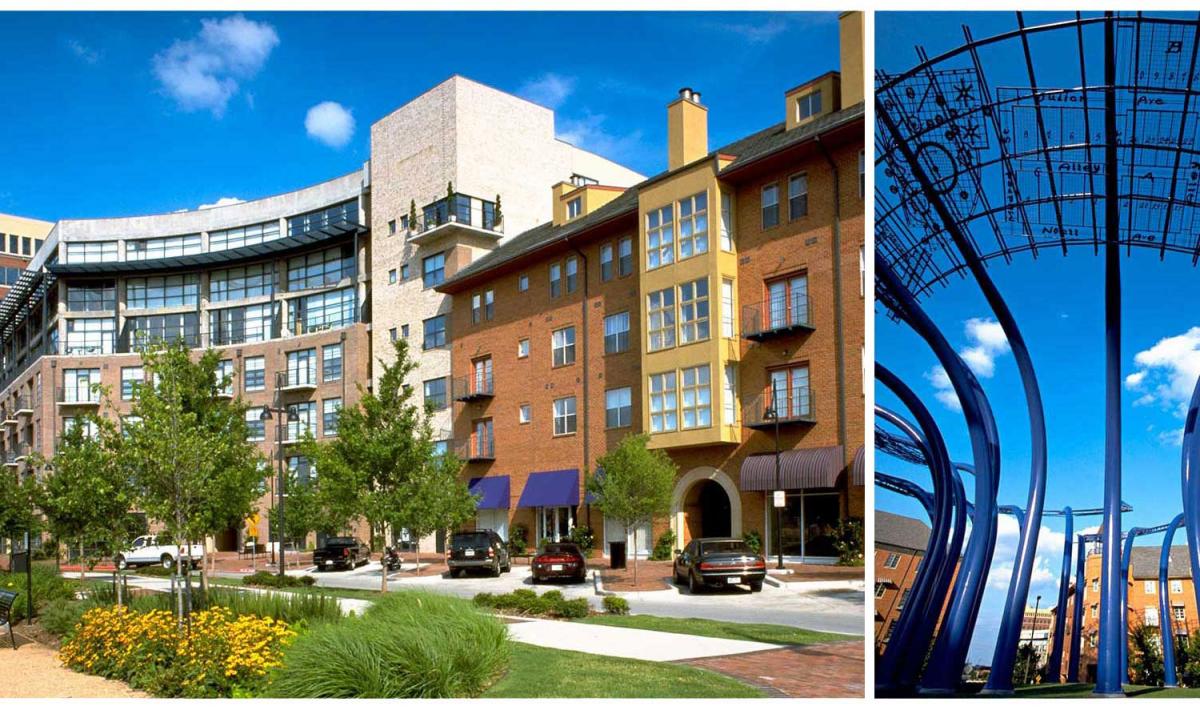
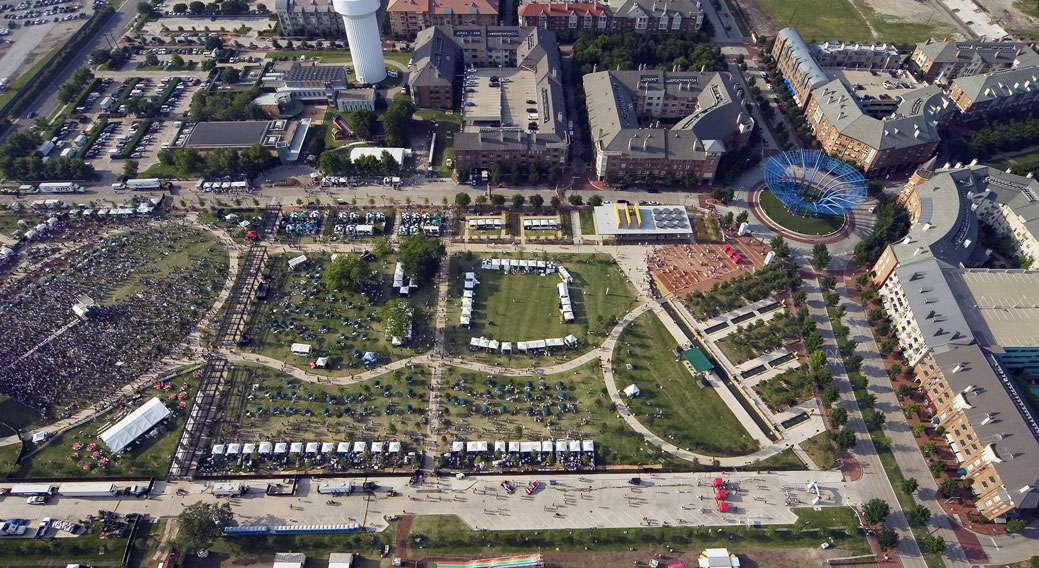
I visited Addison Circle in 2000 and came to understand it better. It had something of a European feel, with its tight streets and density, and was surrounded by an “edge city” in the Dallas metro region. The public spaces were very well designed, with more than 1,000 housing units, more than 100,000 square feet of retail, and 340,000 square feet of office space already built.
Addison Circle was comprised of multifamily building types. The developer essentially built the oft-maligned “Texas donuts,” multifamily wrapping parking, but with a twist. The exterior architecture was above average for this building type, but the interior of the block included both parking and an internal courtyard. I was shown these courtyards, and they were splendid. They had brick detailing, ivy, landscaping—it didn’t matter that one side of the courtyard was a parking garage. With a high-quality public realm featuring events and festivals, and shared courtyards for privacy, Addison Circle offered a quality of life unavailable in the region outside a few city neighborhoods.
But when the entire project was completed in 2016, transit was still a distant future vision. That transit finally arrived in October 2025, with the 26-mile-long DART Silver Line. Addison Circle sits on the only North Texas rail line that leads directly to the Dallas-Fort Worth airport.
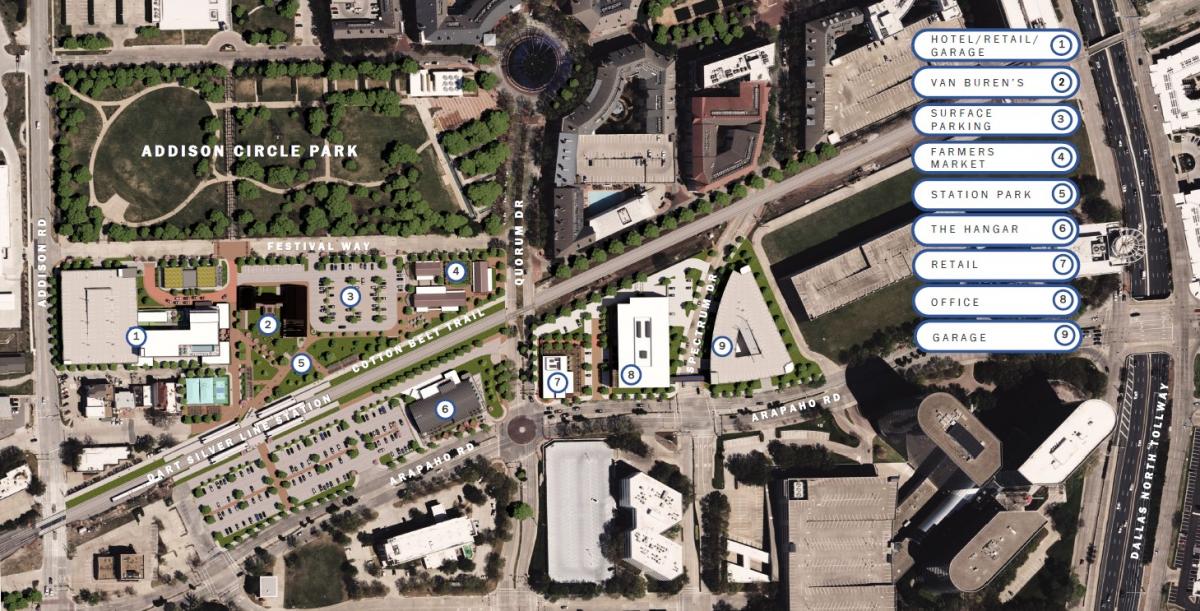
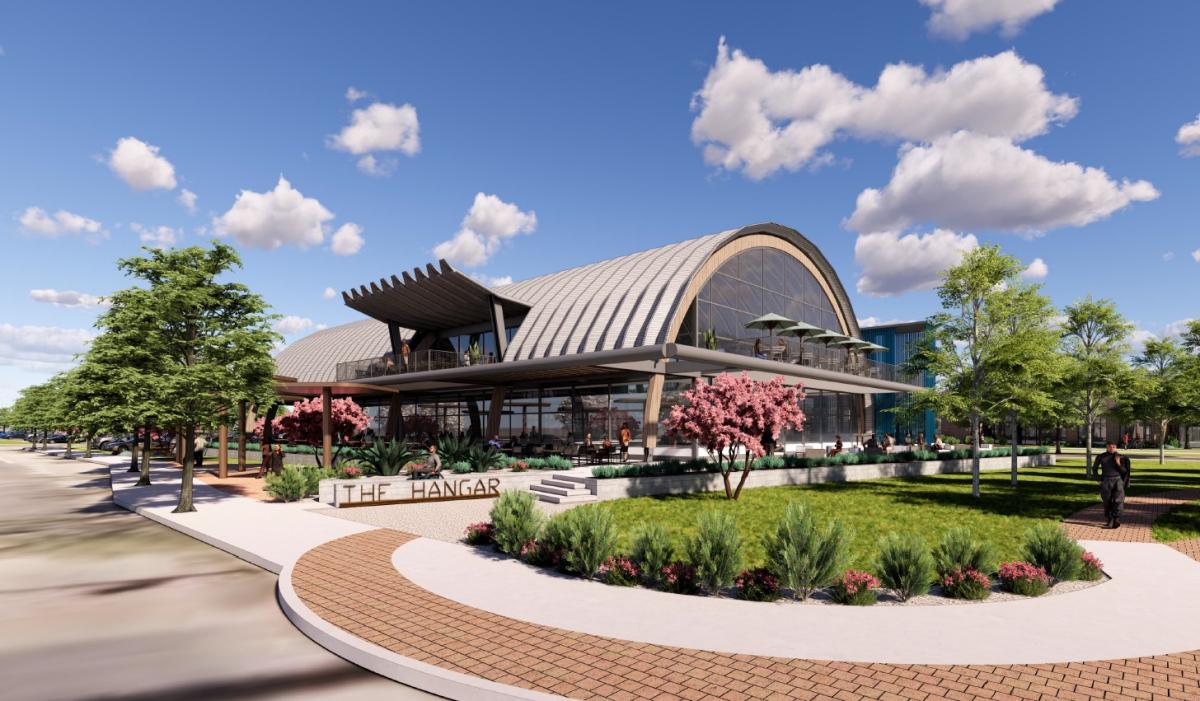
This infrastructure is leading to still more development. Addison Junction is a $240 million mixed-use TOD under construction at the station. From the City of Addison description: The 14-acre district will combine a 155,550-square-foot mass timber office building, a 140-room boutique hotel, 30,000 square feet of entertainment space, and The Hangar, a 12,000-square-foot aviation-inspired event venue on DART property. Restaurants, a Texas-themed beer garden, rooftop patios, and public plazas are planned to knit the project into Addison Circle Park and the Cotton Belt Trail Corridor, part of the 57-mile regional hike-and-bike system.
The Silver Line mostly goes through the suburbs, connecting to downtown Plano at one end and the airport at the other. Addison is the most significant new urban center along the line, providing substantial housing and employment within walking distance of the light rail.
In Addison, they built way ahead of the infrastructure that this was designed for. And yet, it still succeeded financially, providing a different lifestyle than was available in most of North Dallas. It also immediately enabled walking, at least within the confines of the project. And Addison Circle created a social center for the suburban city that lacked gathering spaces. Eventually, the transportation infrastructure caught up, and it is now connected to a rail line.
In short, they built as if the rail line existed. Eventually, it came to pass. I’m not saying that this approach would always work. Clearly, you need a realistic vision for where a rail line could be built. But if you have that, and you build the right kind of development, it just might work.
Addison Circle is just one of 10 stops along the Silver Line, which is relatively few for such a long line. One reason may be that there is little walkable urbanism to connect to in North Dallas. Ridership was below expectations in the first six months, but growing every month. New TODs like Addison Junction is expected to increase the use of the line over time.
You can build in a way that is ready for transit, supports transit, and is eventually served by transit.