-
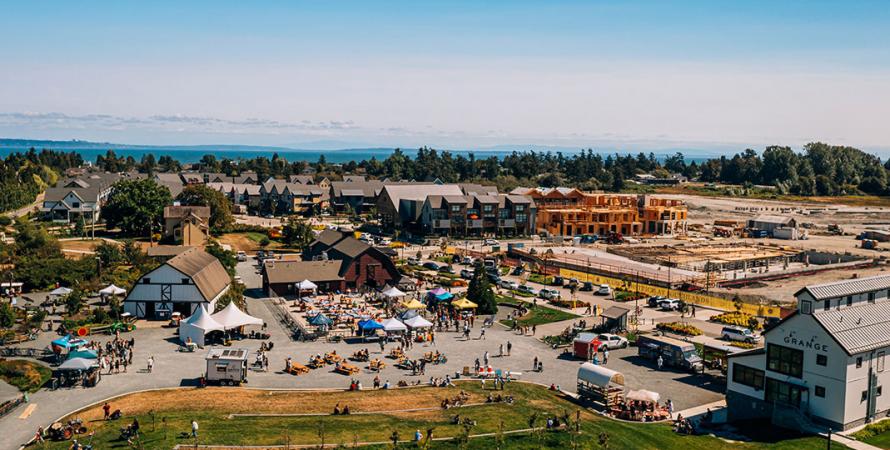
Building community from farming, food, and walkable urbanism
A bold vision of Agricultural Urbanism is now taking shape in British Columbia, 15 years after it was planned at the peak of the Great Recession.Agricultural Urbanism (a.k.a. Agrarian Urbanism) grew from a compromise—a grand idea that broke a political impasse. It was first proposed in a new urban plan in 2008 during the Great Recession. An innovative vision put forth at a fragile financial time, when so many projects went by the wayside,...Read more -
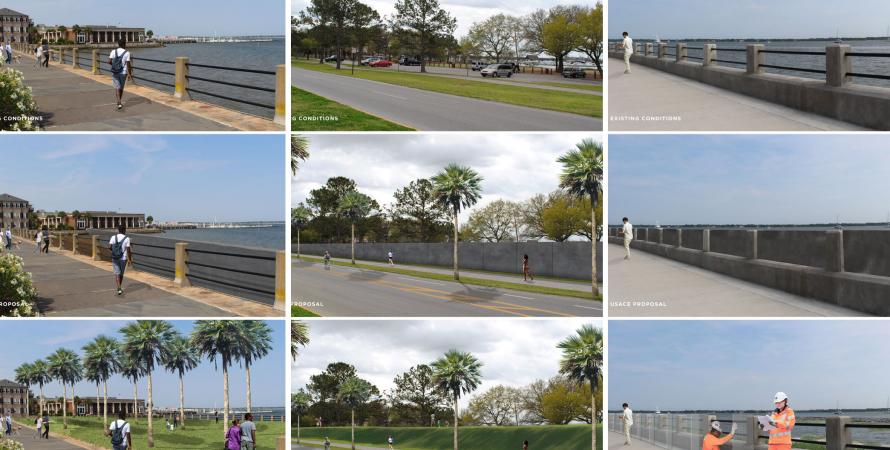
An alternative to a ‘wall’ in Charleston
The South Carolina city is pushing back against the US Army Corps of Engineers, who propose a perimeter wall to defend against storm surge. Charleston envisions a levy and range of public spaces in a Civic Design Opportunities Report.Low-lying cities all over the East Coast need to protect their coastlines to prepare for storm surges and rising seas of climate change. Will they do it in a way that enhances or detracts from the city’s public realm, economy, and connection to the water? In 2018, following a 10-foot storm surge...Read more -
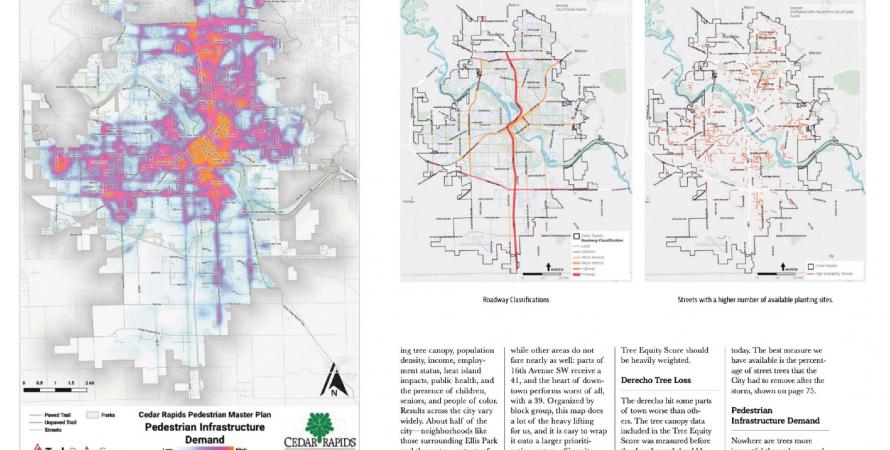
Citywide forestry plan sets a New Urban standard
ReLeaf Cedar Rapids is a plan to restore the Iowa city’s decimated tree canopy, with a focus on equity and placemaking. Speck & Associates and Confluence won a CNU 2023 Charter Award in the Region: Metropolis, City, and Town category.Note: CNU and Public Square are closed the week of June 5, following a successful CNU 31 in Charlotte. Trees are such a ubiquitous part of the urban landscape that their vital role is sometimes overlooked. Nearly every New Urbanist plan makes prominent use of them, and yet the word “tree” does not...Read more -
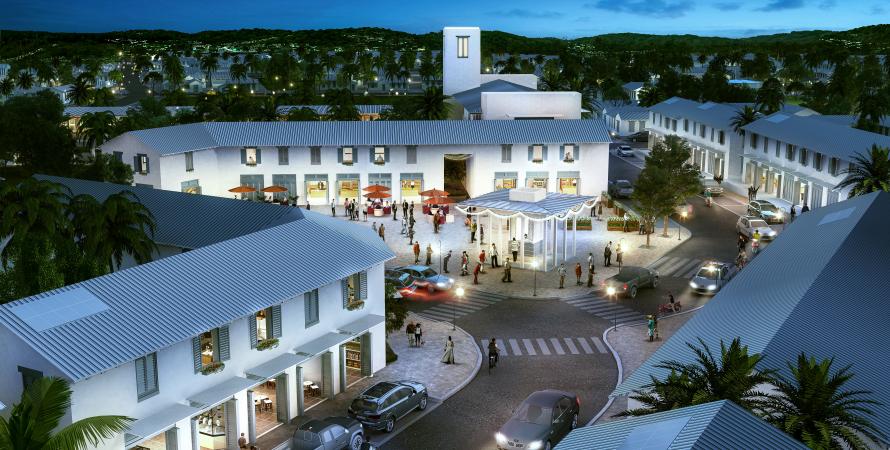
Nation seeks higher ground with New Urbanism
The Higher Ground Initiative in Nauru is a plan for a Pacific island nation that is threatened by sea level rise. Metrocology and CIVIC/URBAN won a Merit Award in The Region: Metropolis, City, and Town category of the 2023 Charter Awards.The stakes could not be higher for The Republic of Nauru, an eight-square-mile island nation of 12,500 people in the central Pacific Ocean. The island rises 65 meters (213 feet) above sea level, its majority indigenous inhabitants descending from a 3000-year-old Micronesian culture. Much of the...Read more