-
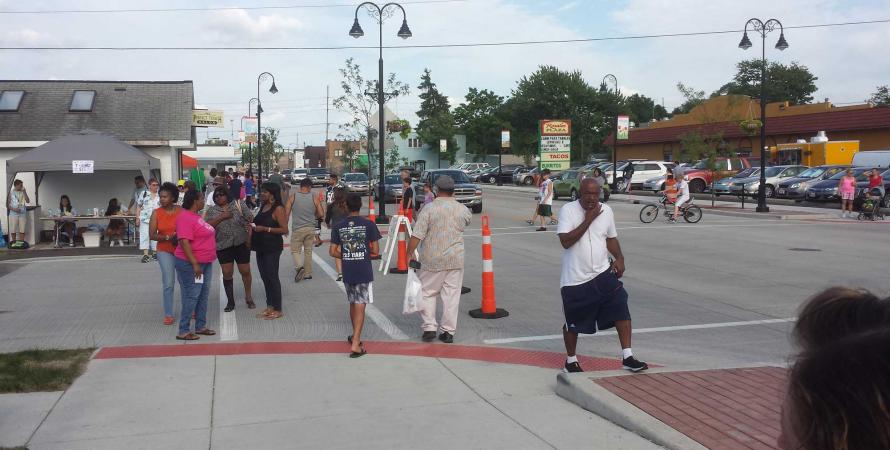
Revitalizing struggling corridors in a post-industrial city
The City of South Bend focuses on complete streets to spur investment in neglected neighborhoods.The West Side Main Streets plan is using limited resources to revitalize two struggling four-mile-long corridors of the post-industrial City of South Bend. Until a few years ago, the two corridors—Lincolnway West and Western Avenue—felt like “truck-oriented highways,” plagued by poorly maintained...Read more -
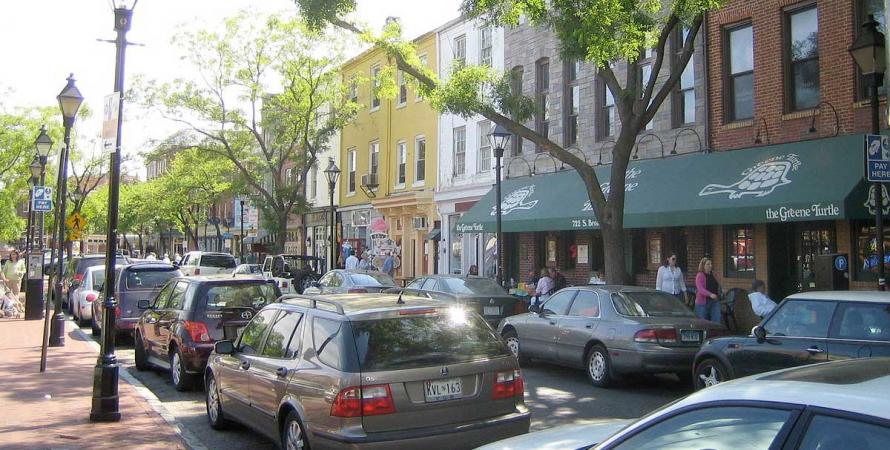
Why are fire officials hung up on street widths?
A focus on one dimension ignores more important geographical aspects to public safety in a walkable city.Last week the Baltimore City Council voted to repeal the "20-foot-clear" requirement for fire access on city streets—replacing that standard with more flexible rules recommended by the National Association of City Transportation Officials. The change, which the mayor is considering signing, would...Read more -
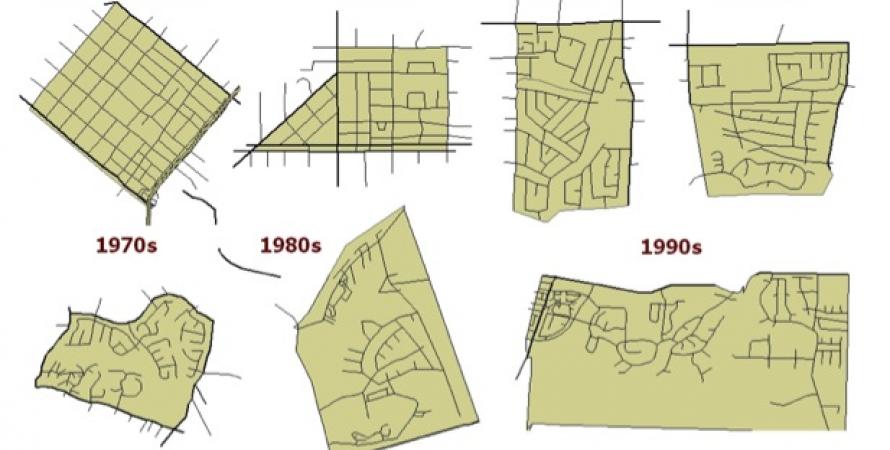
Why street grids have more capacity
The greater choice offered by well-connected street networks leads to more capacity and efficiency, according to pioneering smart growth engineer Walter Kulash.I recently posted “ The copious capacity of street grids ” making the case that traditional street networks are not just better for walking, biking, and livability, but also offer far greater vehicle capacity. In the comment section, somebody posted a link to a long-forgotten talk by Walter Kulash...Read more -
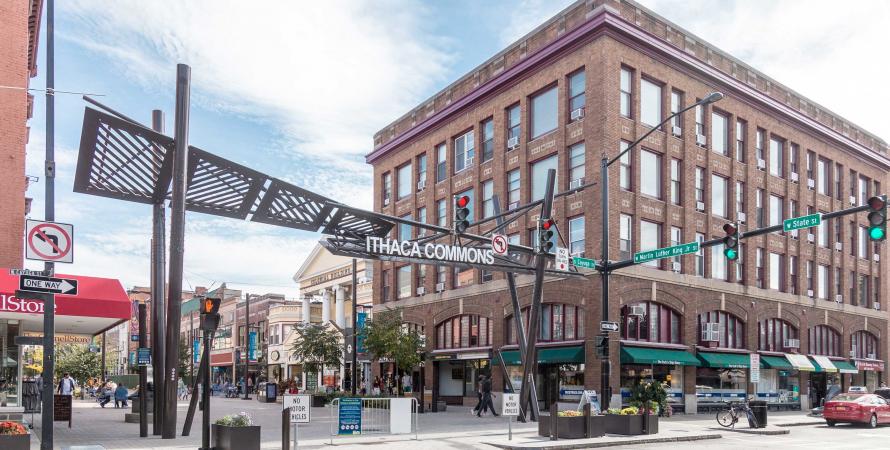
The copious capacity of street grids
Historic street grids can handle greater traffic of all kinds—so why aren’t we building more of them?As far as I have been able to determine, no one has ever scientifically compared the capacity of historic street grids with modern road systems. If they did, this comparison is well hidden—which is amazing because the US has invested trillions of dollars on automobile-oriented street networks on...Read more