-
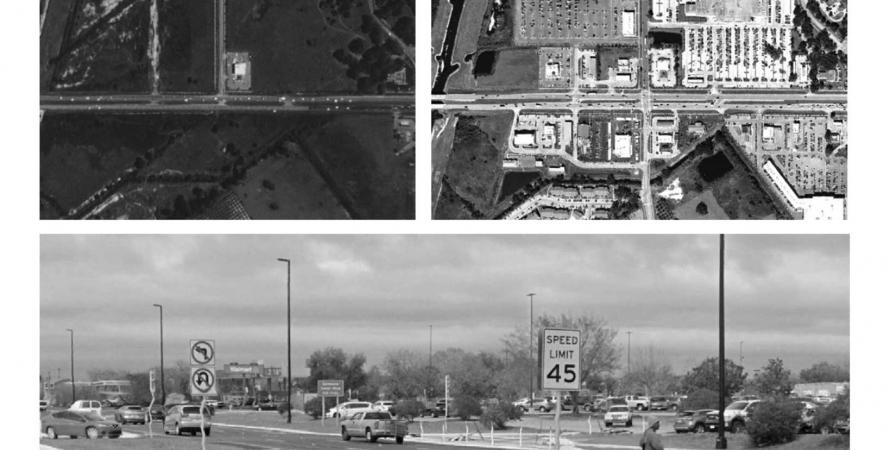
Study calls for land use changes to improve road safety
Land use has a profound and largely unacknowledged role in the death and injury of pedestrians and bicyclists, according to researchers. There are two answers—but one is far superior.New research from Florida Atlantic and Columbia universities examines why the US has failed to make streets safer for “vulnerable users”—people outside of cars, especially pedestrians and bicyclists. That failure is evident despite the proliferation of Complete Streets and Vision Zero policies over...Read more -
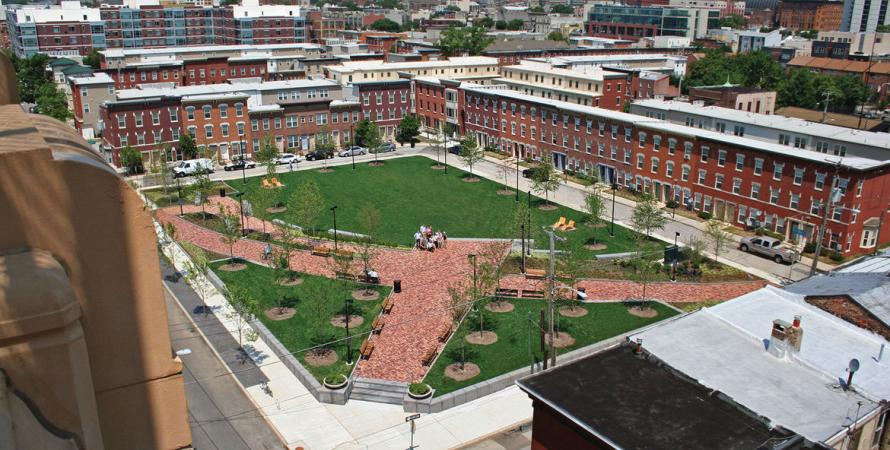
HOPE VI reduced intergenerational poverty
A remarkable new Harvard study shows the benefits of mixed-income housing in high-poverty areas, using design based on New Urbanist principles.This is a good day for walkable neighborhood design, as a new multigenerational study validates the largest implementation of New Urbanist principles on low-income populations—the HOPE VI program in the 1990s and 2000s. HOPE VI is the most dramatic public policy success of the New Urbanism—even...Read more -
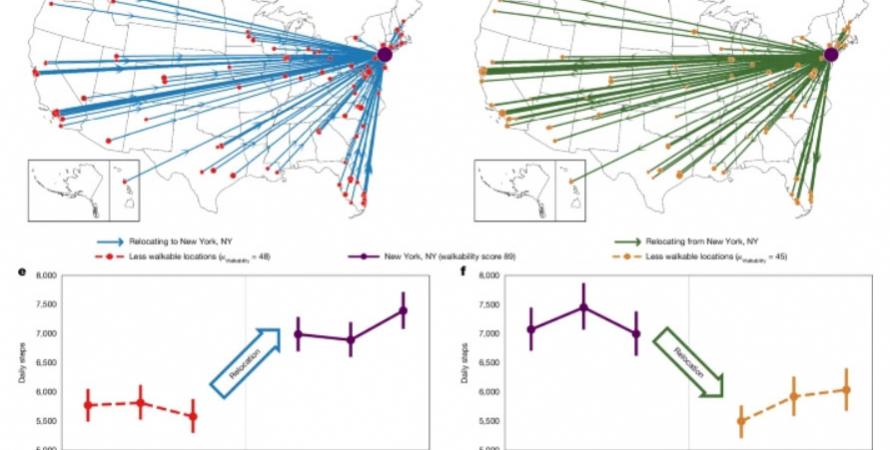
Natural experiment: Walkable places boost physical activity
Nationwide cell phone data analysis reveals that walkable places cause diverse people to walk more. The authors of a study published in Nature believe that the built environment could yield widespread health benefits.That people walk more in walkable places is clear. However, a debate has long persisted over the extent to which walkable cities cause that activity, or do they merely attract those who already want to walk? This is called “self-selection bias.” I’ve never really understood why this debate matters—...Read more -
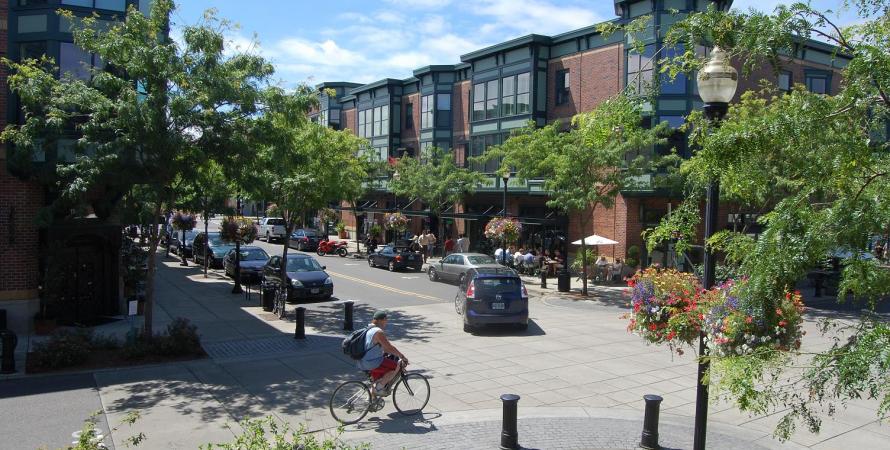
The research is in on New Urbanism—and it’s stronger than you think
A survey research project at the University of Notre Dame has painted a remarkably clear picture of the many benefits, but also highlighted the need for smoother implementation pathways.In the past, practitioners of the new urbanism – otherwise known as walkable, compact, mixed-use, multi-modal urbanism of the kind that is more common in traditional cities and towns – have been criticized for making ideological pronouncements without a solid foundation of evidence. We...Read more