-
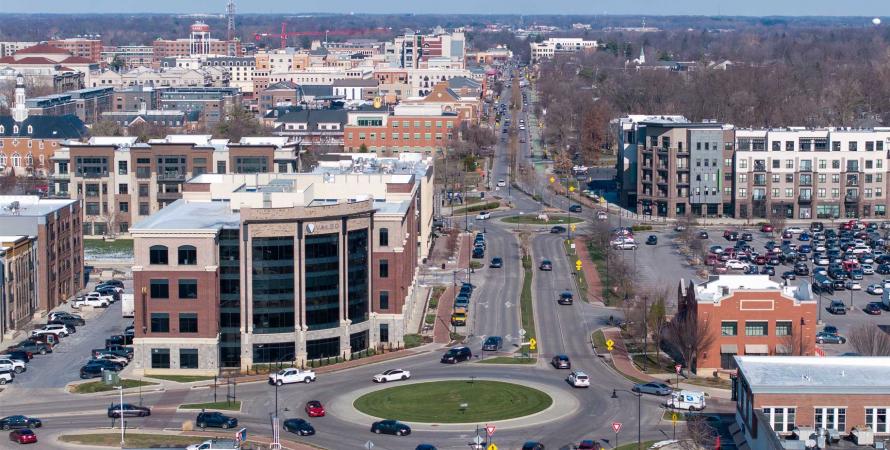
How roundabouts helped to build a downtown
Carmel, Indiana, has been called the “roundabout city.” It has also built a major downtown from scratch in the last quarter-century. These two facts are related.Carmel, Indiana, a city of just over a hundred thousand people, has eliminated nearly all of its traffic lights—a remarkable achievement—and replaced them with 158 roundabouts that calm traffic and keep it flowing on a network of suburban arterial roads. Carmel is a “ boomburb ,” defined as a city...Read more -
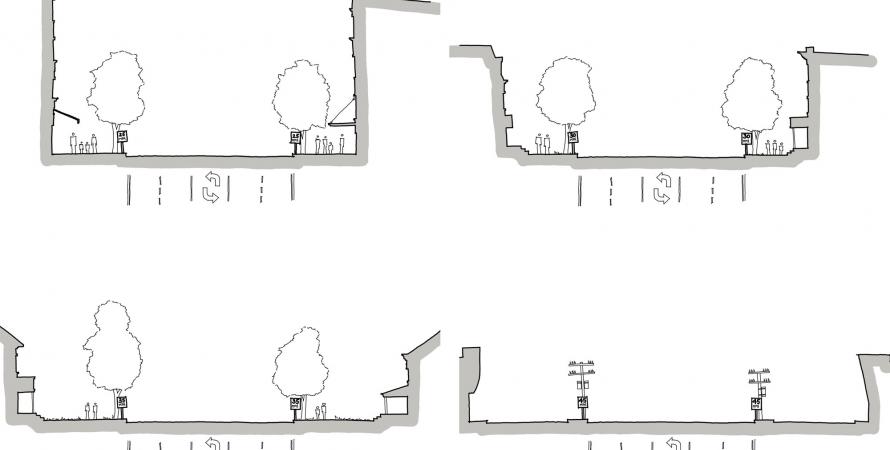
Right street, right place
Don’t accept a one-size-fits-all street design for your city or town, or a highway design for your Main Street. Street designs that fit the context lead to better neighborhoods and communities.I’ve been noticing something more and more when I travel; while on a road trip, the design of the pavement will be the same regardless of what is around me. A highway surrounded by nature leads to a strip mall area, then to a residential neighborhood, then to a main street, and the only thing that...Read more -
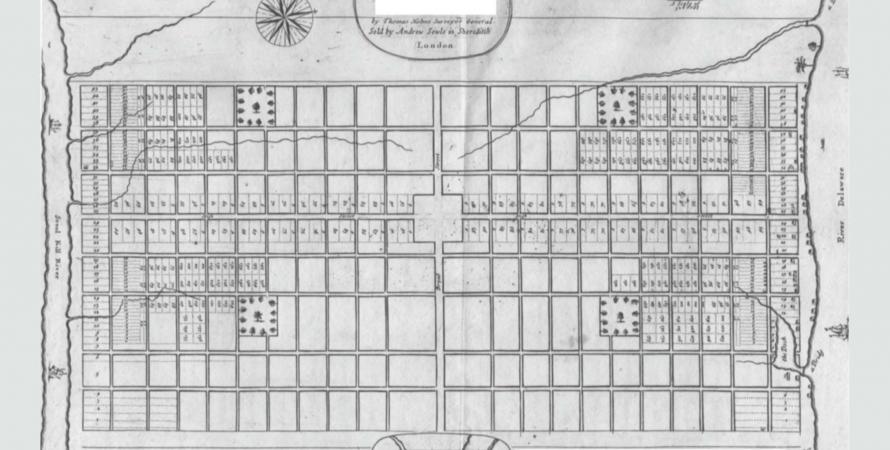
The value of a ‘master street plan’
Why wouldn't you design every city plan and every suburb with a tightly connected pattern of streets and blocks?Note: A webinar on Master Street Plans is scheduled for Wednesday, June 10, with David Green and Paul Knight, moderated by Robert Steuteville. Sign up here . There is no great city in the world that isn’t made up of a highly connected network of streets. In fact, this is the first thing that all...Read more -
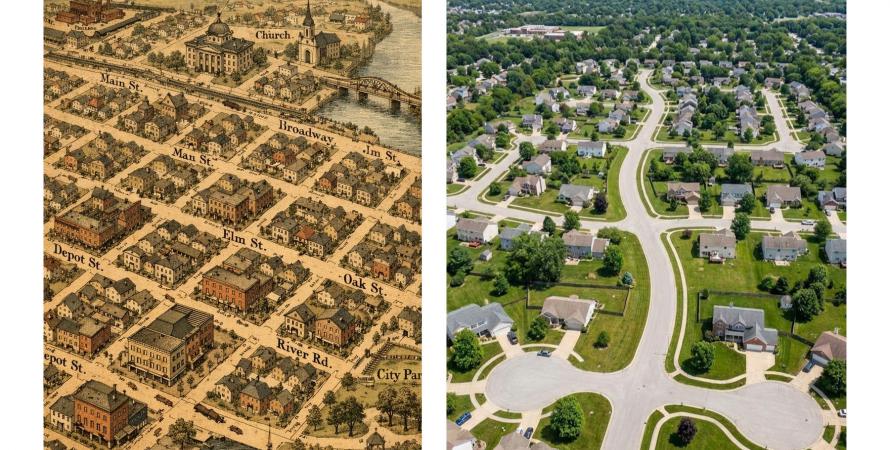
Learning from the planners of old
Street networks. Just Do It.A meme posted by a New Urbanist touches upon an important truth about how we build communities today, and why it is so difficult to create good places. New Urbanists are very good at designing great urban places—not as good, so far, at getting them built at the scale that is necessary to meet...Read more