
Visitability & Accessibility
New Update for CNU XVI
The Congress Accessibility Lunch was a success! Ideas were exchanged, breakthroughs were made, and the seeds of solutions were planted.
CNU is starting a new Visitability & Accessibility Initiative focused on making basic access the norm in new urbanist dwellings, and we've set up a ListServ to get the conversation started. Members interested in home and community design that welcomes visitors with mobility impairments -- and permits remaining in one's home if impairment develops -- should subscribe to the ListServ and introduce themselves to the group.
Visitability & Accessibility ListServ
This initiative is led by Eleanor Smith of Concrete Change and Shannon Chance of Hampton University.
Examples of Accessibility
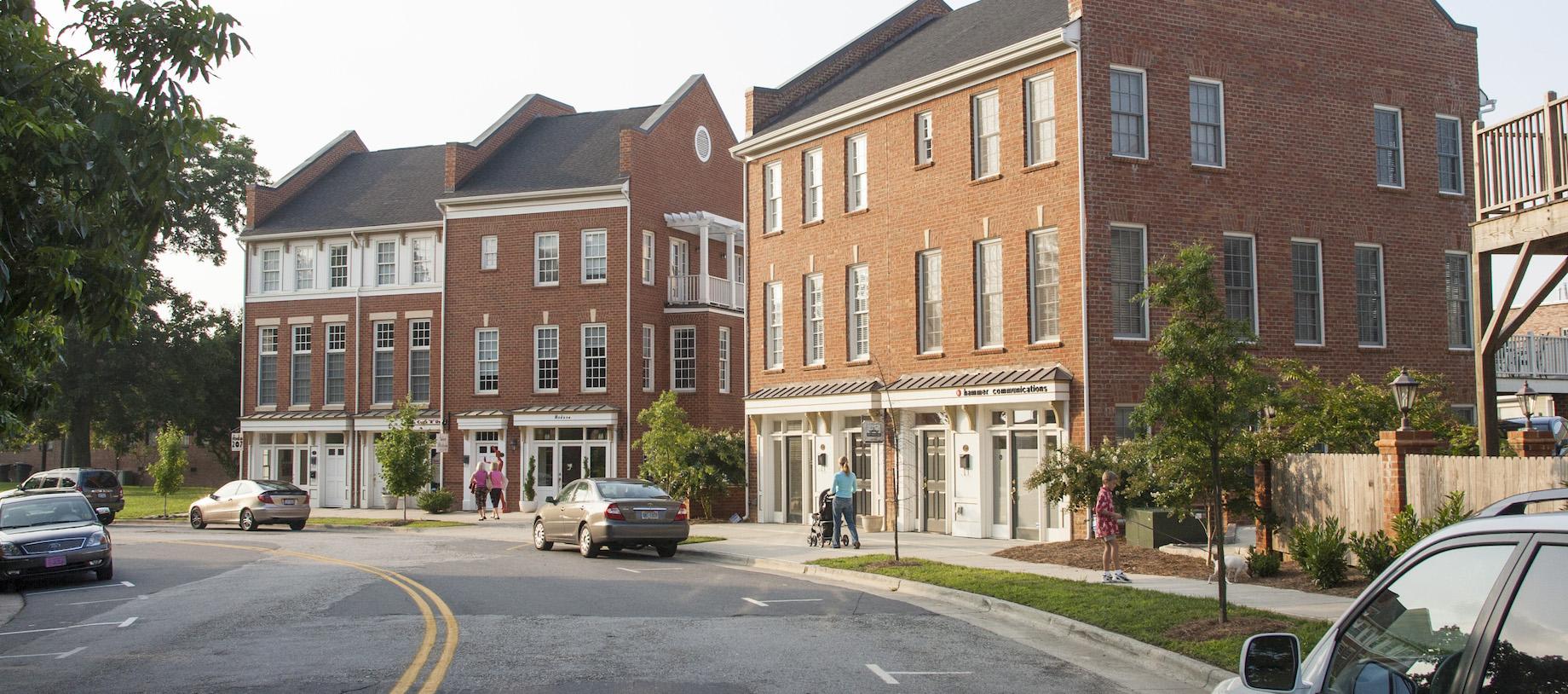
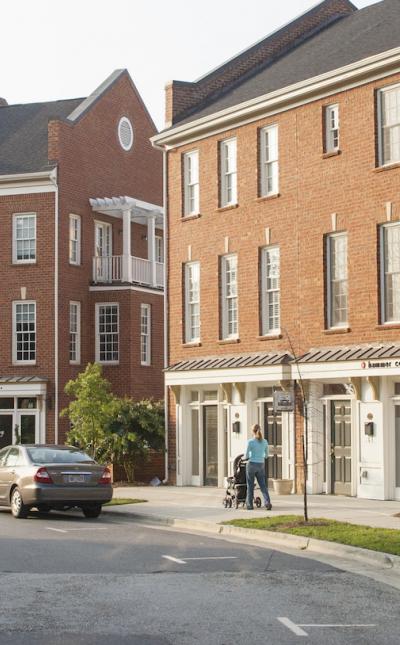
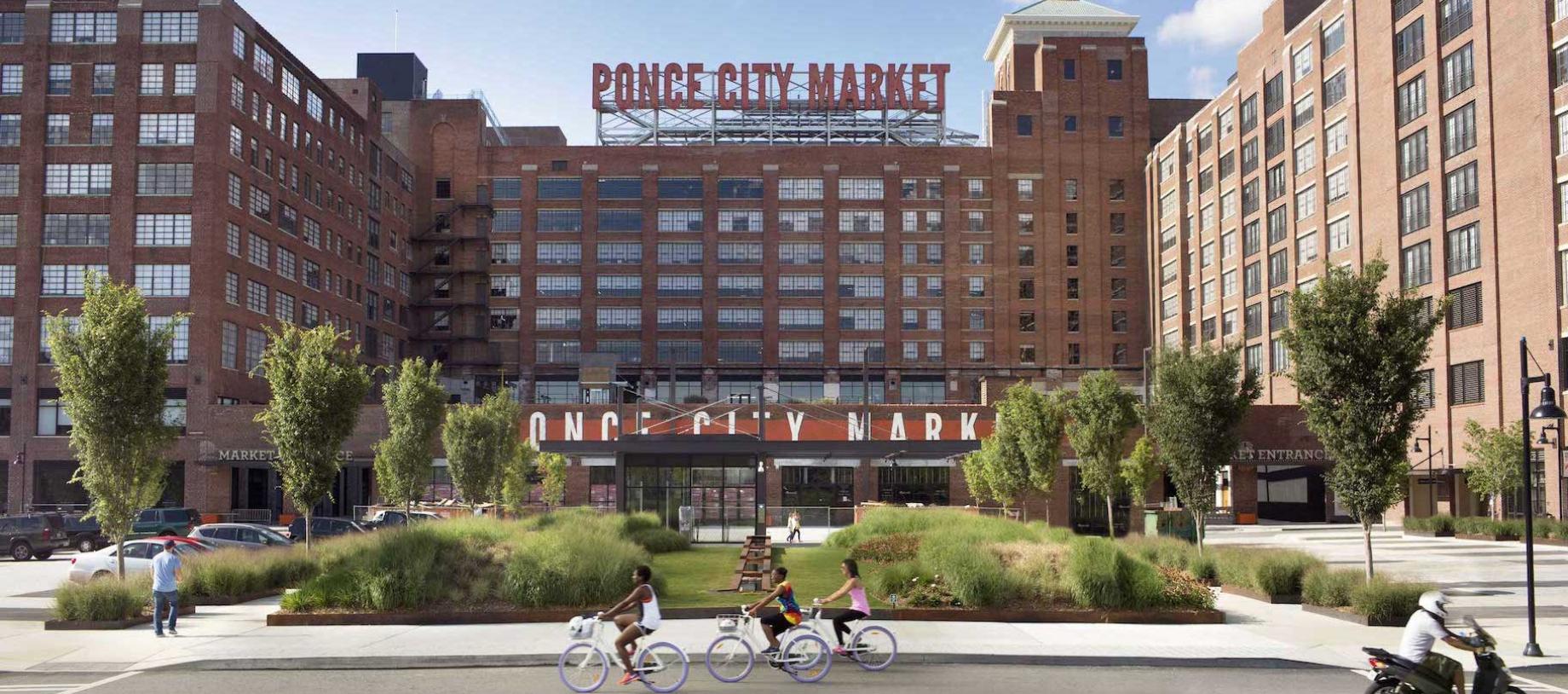
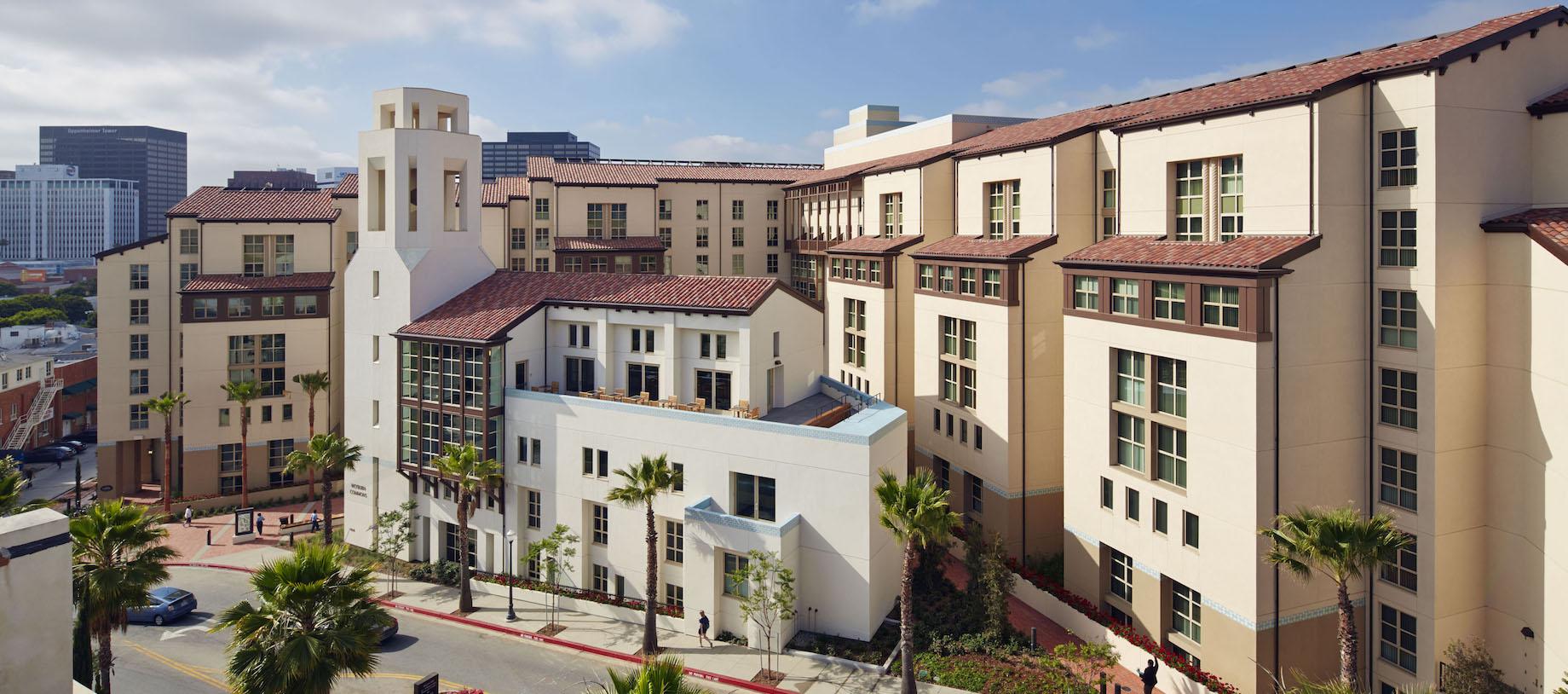
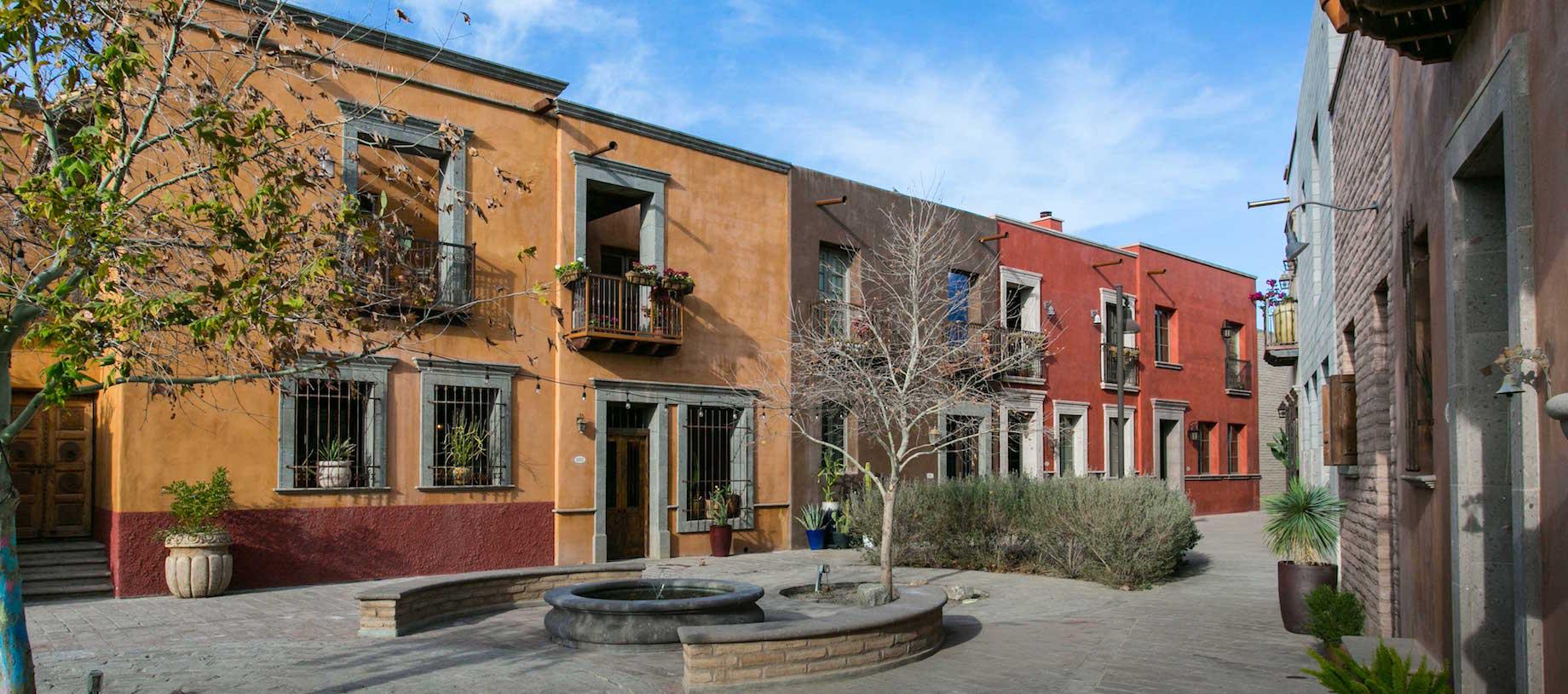
CNU's Image Bank features numerous Examples of Visitability & Accessibility from several building types -- including detached houses, rowhouses, and small multifamily buildings. We invite our members to add more by uploading photos or drawings to the image bank. Please tag your images with the word "accessible" to add them to our library of examples of accessibility.
Resources
- Co-chair Eleanor Smith leads Concrete Change, an international effort on visitability
- University at Buffalo's Center for Inclusive Design and Environmental Access provides technical expertise
- Assist Community Design Center has produced a six-page brochure about visitability.
- The attached presentation, given by Eleanor Smith, gives a broad overview.
Call for Projects
For a research paper on Visitability commissioned by AARP, I am looking for information about New Urbanist developments that incorporate Visitability. Co-authors of this document are CNU members Jordana Maisel and Dr. Ed Steinfeld, of the IDEA Center at the State University of New York at Buffalo, and myself.
The developments we are seeking would have the following characteristics:
1) Include single family detached houses or single family attached (row houses) that offer the following three Visitability features: at least one zero-step entrance; interior main-floor doors which provide at least 32 inches clear passage space; (including bathroom doors) and at least a half bath on the floor with the zero-step entrance.
2) The three features were voluntarily incorporated by the New Urbanist designer or developer, as opposed to being legal requirements such as Section 504, a local Visitability law, etc.
3) Are not Hope VI projects or other projects which applied for extra points for Visitability from a federally-assisted program, thus requiring the participating designer/developer to include the visitability features.
Any NU developer who has incorporated access as outlined above would be someone we want to hear about, including any who applied for the extra Visitability point in LEED-ND. If you fit the above, or know of someone who does, please contact me with the New Urbanist's name, the city where the development is located, and the person's email address and/or phone number.
If it's happening, we want to know about it and give credit where credit is due.
Please contact me OFF-LINE at eleanors {at} mindspring com.
| Attachment | Size |
|---|---|
| CNU 07-08.ppt | 12.11 MB |

